

Hurricane Preparedness: Lessons from After the Storm
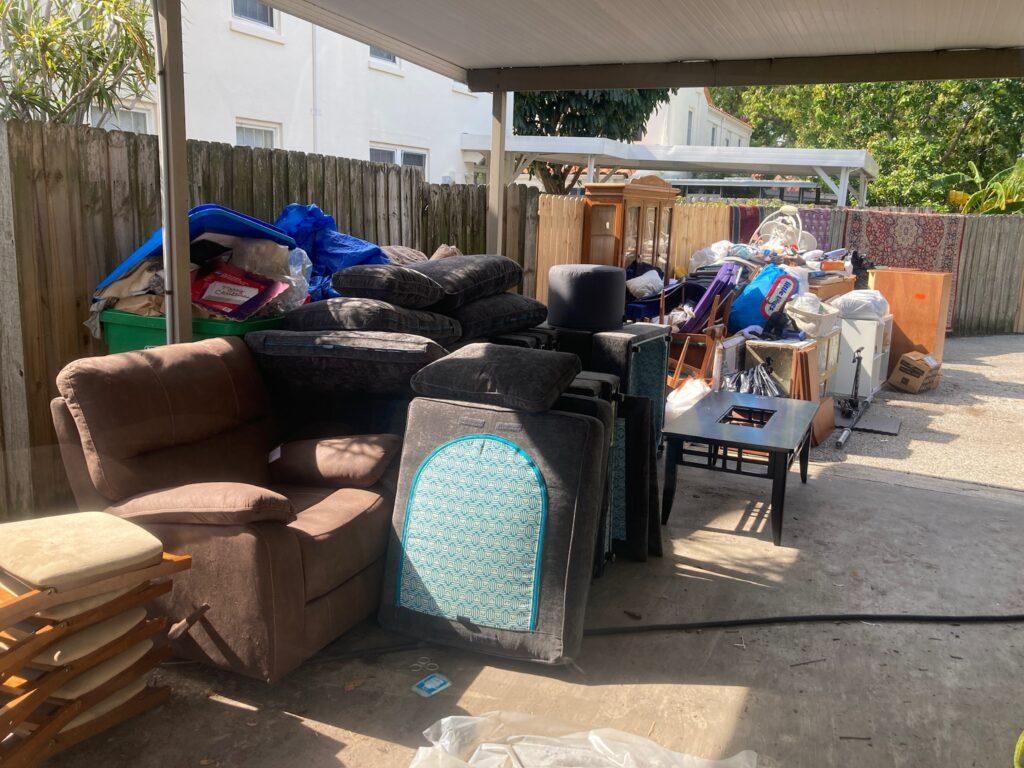
Last Year From June 1st – November 30th, we are fully in Hurricane season. That means hurricane preparedness. This time last year, I thought we were prepared. We had candles […]
Being Tornado Ready Before It Arrives
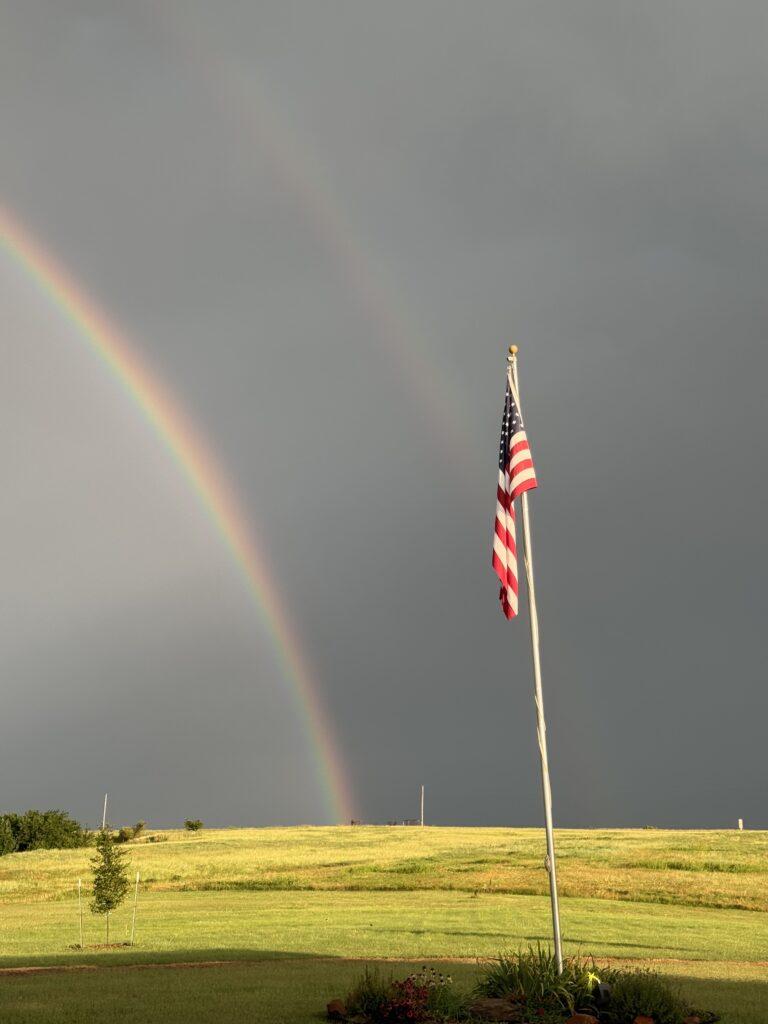
September is Disaster Preparedness Month. This annual campaign was created in 2004 by the Federal Emergency Management Agency (FEMA). The goal is to raise awareness about the importance of being […]
Why Preparedness Matters for Families and Communities
Emergencies don’t wait for the “right time.” They can happen in the middle of a school day, during a deployment, or while a community is still recovering from another crisis. For families, especially military families who may be far from extended support networks, preparedness is more than just having supplies on hand. It’s about creating peace of mind, building confidence, and ensuring safety no matter the circumstances.
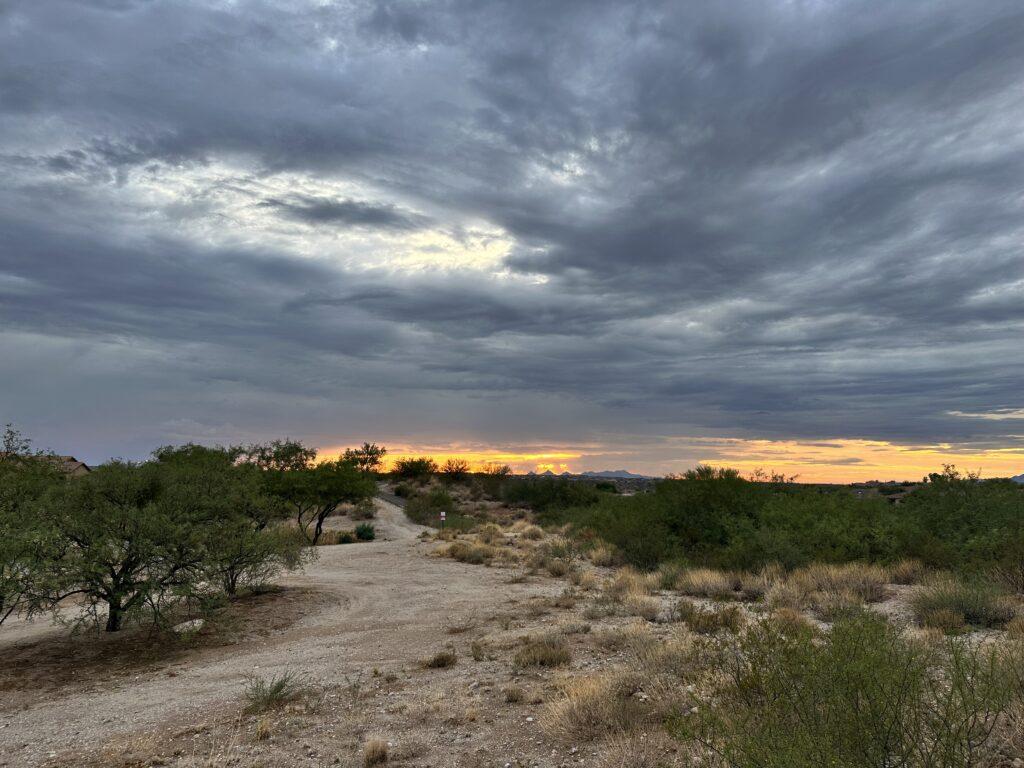
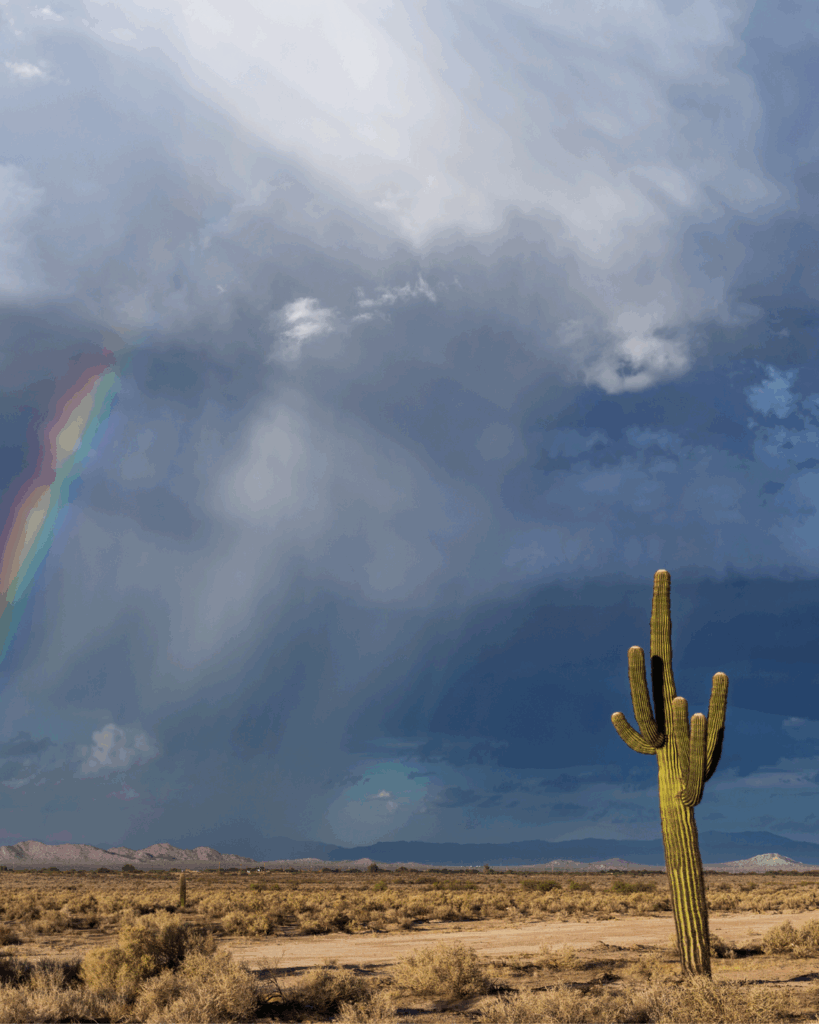
“If you’re new to Arizona or New Mexico, welcome to the wild world of monsoon season, where the skies open up in seconds, the lightning shows off, and the roads become rivers.
As a military spouse who’s experienced a few desert summers in Arizona, here’s what I’ve learned: these storms are no joke, but with a little preparation, you and your family can stay safe and dry.
First and most importantly: never drive through flooded roads. It doesn’t take much water to sweep a vehicle away. Even if it looks shallow, turn around. Monsoon flooding can be unpredictable and fast-moving, it’s not worth the risk.
At home, have a monsoon “go kit” ready. You will want to include flashlights, batteries, a weather radio, water bottles, snacks, and power banks. Keep it near your emergency binder, which should hold important documents in a waterproof pouch. Flash floods and power loss frequently occur with a monsoon.
Keep an eye on the forecast and sign up for emergency alerts in your area. The weather is unpredictable during monsoon season, and a storm can pop up out of nowhere. And if a storm is rolling in? Bring in patio furniture, secure the trampoline along with anything that could fly away. These storms often get extremely windy, and you will see posts on the base facebook page asking if anyone has located something that flew away in the storm.
If you’ve got little ones, talk about monsoons ahead of time. Thunder and lightning can be scary, but you can make it into a family adventure. Together as a family, pick a “safe spot” away from windows and ride out the storm together with books, snacks, or a cozy movie.
One more thing to note: after a big monsoon, you may notice an increase in insects, especially ants, cockroaches, and even scorpions seeking dry ground. It’s a good idea to check windows and door seals, clear yard debris, and keep shoes and bags off the floor. Consider scheduling regular pest control or using safe repellents, especially if you have pets or little ones crawling around.
Military life means constantly adapting to new environments, and summer storms in the Southwest are definitely a shift if you’re coming from somewhere like the East Coast. With a few intentional steps, you can feel confident navigating monsoon season like a pro, and when those skies do clear, you’ll be rewarded with some of the most breathtaking sunsets the desert has to offer.”
– Katie P. | MilMC Contributor
1. Pull Over, Park, and Wait It Out
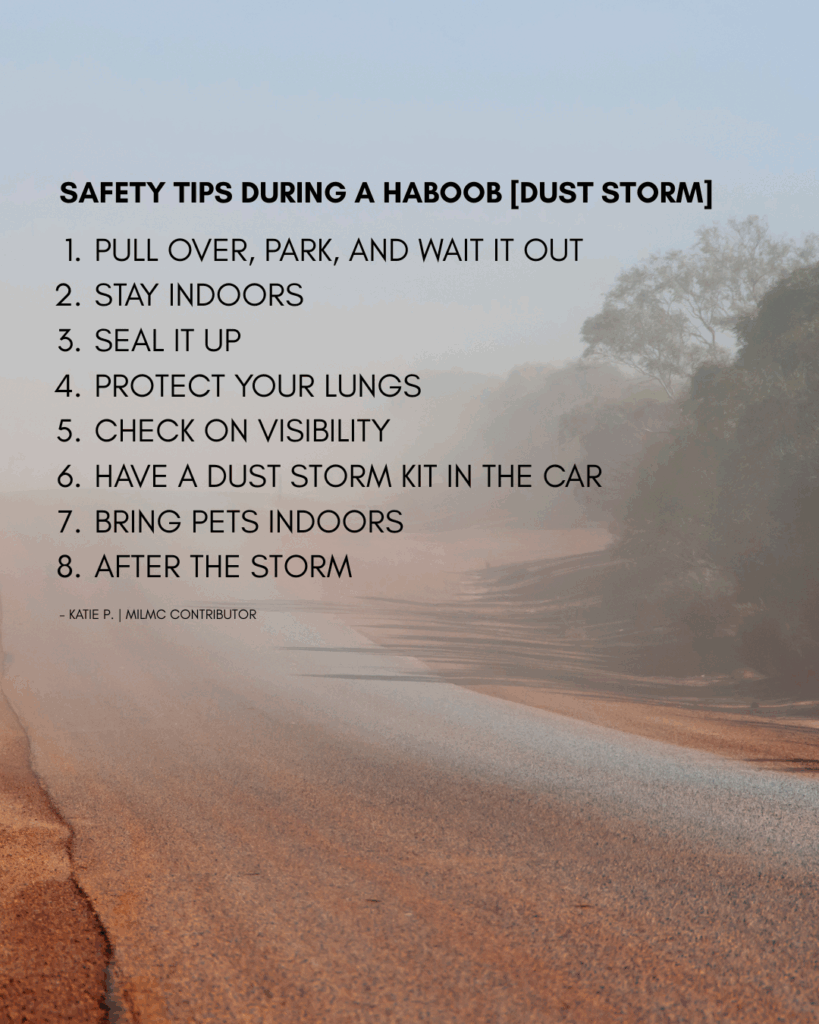
If you’re driving and see a wall of dust approaching, don’t try to outrun it. Pull over as far off the road as safely possible, turn off your lights, put your car in park, and take your foot off the brake so other drivers don’t accidentally follow your taillights and crash into you.
2. Stay Indoors
If a dust storm warning is issued, stay inside. Keep windows and doors closed, and avoid going outside until the storm passes.
3. Seal It Up
Check that your windows and doors are well-sealed to keep dust from getting inside. It’s also a good idea to have extra air filters on hand as storms can clog them faster than usual.
4. Protect Your Lungs
If you absolutely must go outside, wear a mask or cloth over your nose and mouth to avoid inhaling dust. These storms can kick up allergens, irritants, and even mold spores.
5. Check on Visibility
Dust storms can reduce visibility to zero in seconds. Stay off the roads if a storm is forecasted or conditions look questionable. In Tucson, you might get a dust storm warning automatically on your phone.
6. Have a Dust Storm Kit in the Car
In addition to your usual emergency car kit, consider including:
- Face masks
- Goggles
- Bottled water
- A towel or cloth to seal air gaps if you’re sheltering in place
7. Bring Pets Indoors
Dust storms aren’t just rough on humans. Pets can experience respiratory issues too. Bring them in before the storm hits and avoid walking them during poor air quality.
8. After the Storm
Once it clears, check your home and vehicle air filters, clean surfaces that may have collected dust, and watch for signs of irritation in kids or pets with sensitive lungs.
“Tennessee has had a very wet year so far. We’ve had so many storms roll in with heavy rain, that flash flood warnings are frequently associated with them. After one of these storms rolled through, my 6-year-old looked at me and said, “wow mom! That was a pretty bad storm, right?” I nodded in agreement. He continued, “Yeah, but we need those storms to bring rain so the plants can grow, right?” In that moment all I could do was smile and say, “that’s right bub. Without the rain, the plants can’t grow.”
Storms come and go in our lives, almost as often as they roll through our hometowns. Some storms carry more damage than others, but they all impact us. Some storms leave a clear path of destruction, while others just bring some rain clouds. The truth is that we need storms. We can’t always have sunny and warm days. We need rain. Sometimes we need storms to roll through and clear some things out of our lives, even if we cherish those things. Without rain, we can’t grow. It’s natural to fear the big storms coming our way, to hunker down in the middle of them. But when the storm has passed, step out and look for the growth that will come.”
– Shelly Osborne | MilMC Contributor
Looking for ways to help your kids understand emergencies without creating fear? Sesame Workshop has a collection of resources designed just for families. With videos, activities, and tips featuring familiar Sesame Street friends, these tools make it easier to talk to children about tough situations in a calm and age-appropriate way. Explore the full collection here: Sesame Workshop Emergencies

Red Cross Messages: The Essential Details
About three weeks into my husband’s one year unaccompanied PCS tour overseas, I needed to make my first Red Cross message in his career. My stomach sank as I had […]
Everyone Stationed OCONUS Needs a Bug-Out Bag
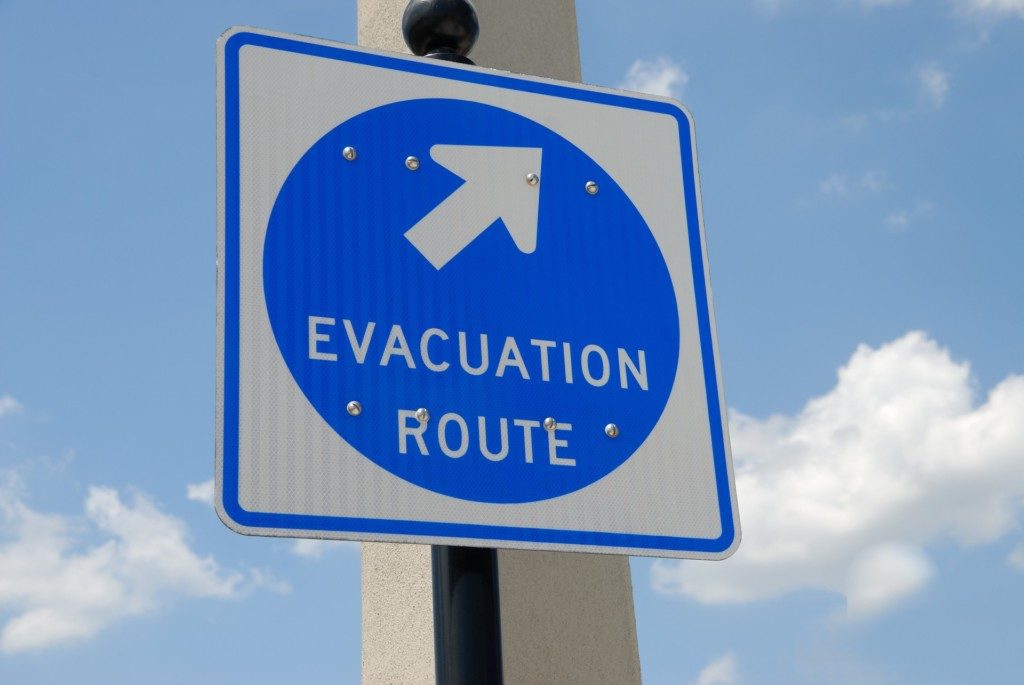
Since our arrival in Japan, the base installation has offered an Emergency Preparedness class almost every month focusing on NEO (noncombatant evacuation operations). I put off taking this class for […]
After the Disaster: Mental Health & Recovery
Disasters don’t just leave behind physical damage, they can also take an emotional toll on every member of the family. It’s completely normal to feel anxious, sad, or overwhelmed in the days and weeks following an emergency. Recovery isn’t only about repairing homes or replacing belongings; it’s also about healing hearts and minds.
Normalizing Stress and Anxiety
-
Feeling “on edge” after a disaster is a natural response to trauma. You may notice trouble sleeping, jumpiness, difficulty concentrating, or even guilt about what happened.
-
Children may regress in behavior, cling more to parents, or act out in frustration.
-
Military families may feel added strain if a loved one is deployed or if they’re far from extended family support.
Remember: these reactions are normal. Most people will begin to feel better with time, routine, and support.