
September is Disaster Preparedness Month. This annual campaign was created in 2004 by the Federal Emergency Management Agency (FEMA). The goal is to raise awareness about the importance of being prepared for natural disasters such as tornadoes, hurricanes, wildfires, floods, and other emergencies.
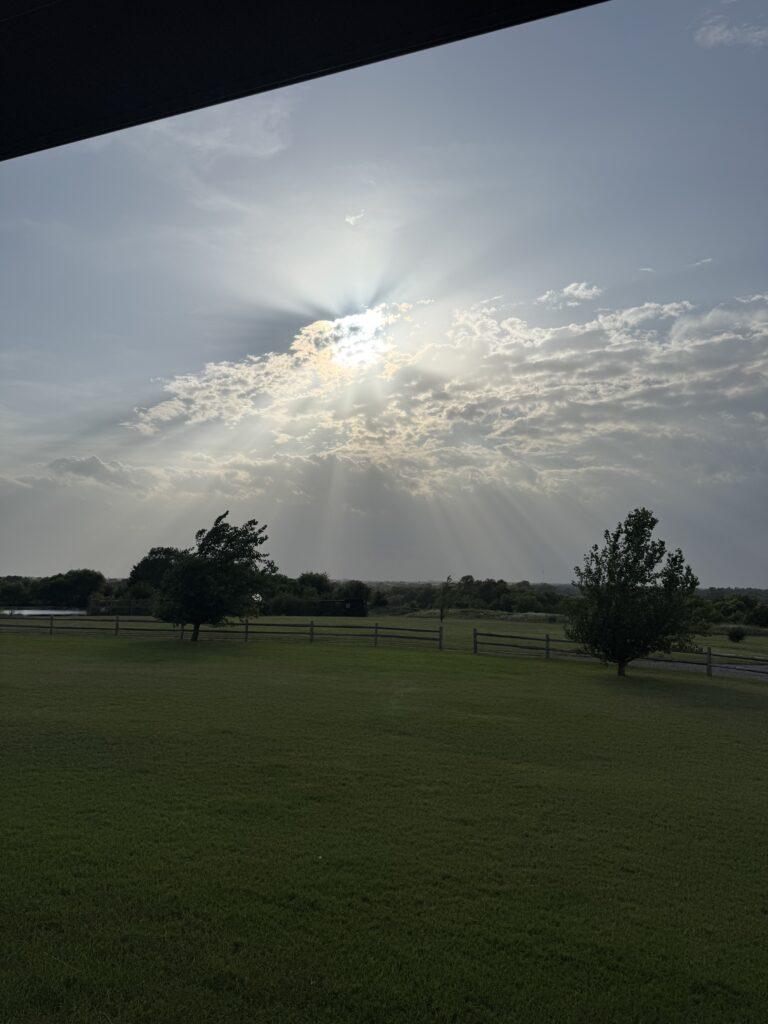
We semi-retired here in Oklahoma, which is known as the “Tornado Capital of the world!” Oklahoma sits right in the middle of tornado alley, and we average more than 50 tornadoes a year, according to the Oklahoma Department of Emergency Management.
In our experiences these past few years, Spring has been the most common time of year for tornadoes to make an appearance, but they can happen anytime and anywhere.
Here are a few ways we prepare ourselves in advance:
Stay informed: Follow your local weather. We have downloaded a free weather app on our phones. We have set it up for our location and our daughter, who also lives in Oklahoma, but further away from us. It will alert us with a warning message of the weather in our surrounding area and hers. It is a good idea to have a battery/solar-operated NOAA weather radio. We purchased our weather radio on AMAZON for under $50. This is a great tool; it will broadcast weather information directly from the National Weather Service (NWS), and it will still operate during power outages.
Created an emergency kit: This kit is stored in a location that everyone has easy access to in our home. We created a basic kit, storing items in a Rubbermaid bin in the hallway closet. Our kit includes three days’ worth of water and canned goods, a can opener, our weather radio, a flashlight with extra batteries, a first aid kit, and a small toolbox. I would also recommend a cell phone with a charger and an extra battery. A complete recommended emergency kit list can be found at the American Red Cross 
Tornado guidelines to follow from the Oklahoma.gov
– GET IN- If you can move quickly into a strong building away from windows, do so. Do not shelter outside, in a mobile home, or in your vehicle. If in your vehicle, get down to the lowest part and cover your head, or abandon your car and seek shelter in a low-lying area such as a ditch or ravine.
– GET DOWN- to the lowest floor that you can get to. It may be a basement, in in-ground storm shelter, or a safe room. If you can’t get to a lower level, move to a location that puts as many walls between you and the outside quickly and safely.
– COVER UP- Use whatever you can find, blankets, pillows, or your mattress to cover your head and body. This will help protect you from falling debris and flying objects.
Here are a few websites that we looked into for further Tornado Safety and disaster preparedness tips that I know will help you as well.
Tornado Safety Ready.gov Ready Kids | Ready.gov Fema FAQ
Lastly, make sure everyone in the household knows the tornado guidelines and your household plan. Practice a few pretend tornado scenarios. It is so important that everyone understands your emergency tornado plan and is comfortable carrying it out. Pull out your emergency kit every few months to check batteries and add more supplies if needed.
For further tornado safety and other disaster preparedness emergency safety, I highly recommend you visit the above website for further information for your local area.
Remember, proper planning and practicing tornado drills will help you to be prepared and minimize the impact if a tornado does occur.