
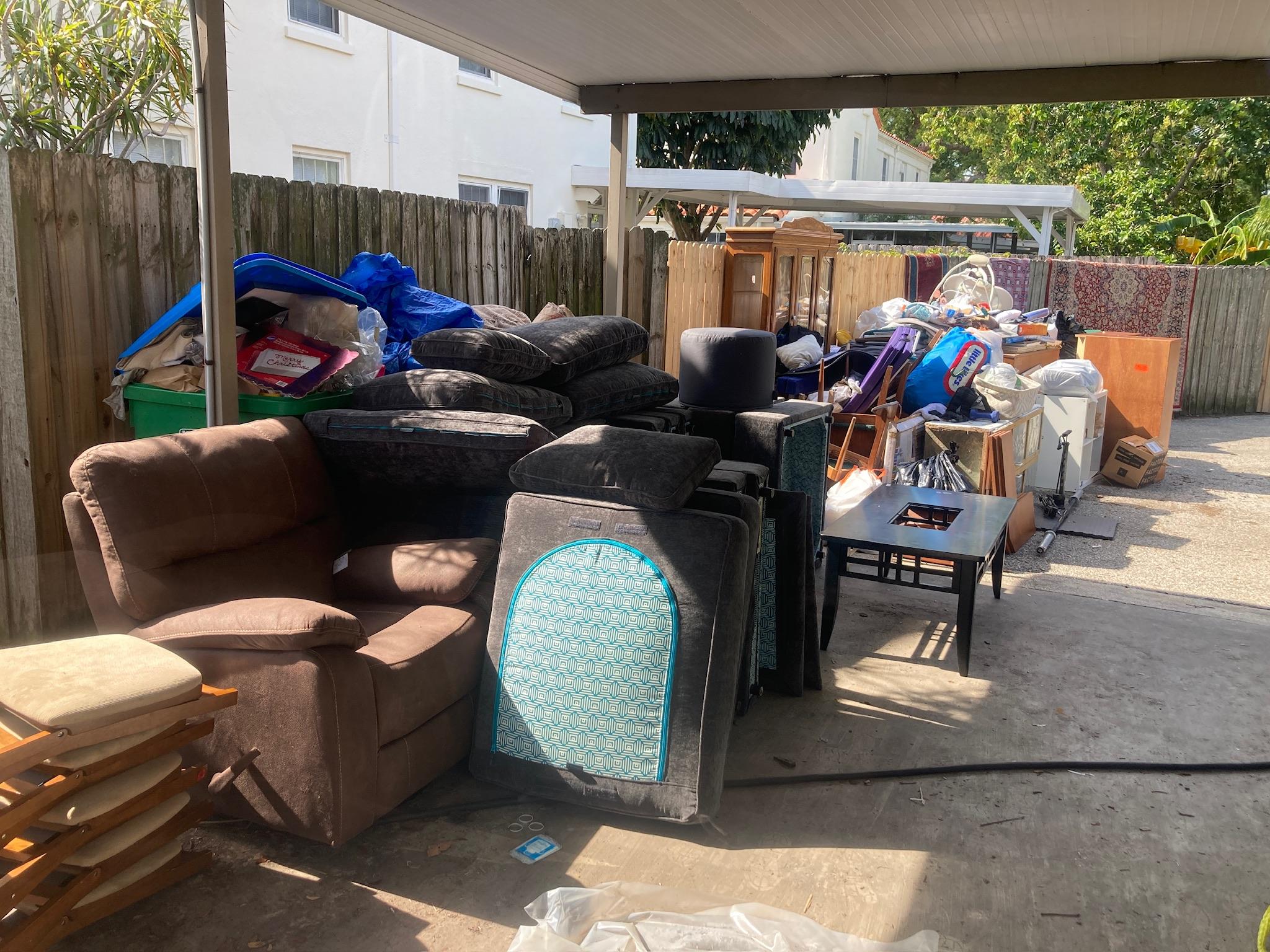
Last Year
From June 1st – November 30th, we are fully in Hurricane season. That means hurricane preparedness. This time last year, I thought we were prepared. We had candles and batteries ready and a penny on the ice cup in the freezer in case of power loss. We had binned up shelf-stable food and had enough water for everyone in the family. We had our inventory list from our numerous movers to know what we had in the home in case of loss, but “it hasn’t happened here before, so clearly the homes are safe.”
The thing is, hurricanes do not discriminate. They are big, windy, rain-filled storms that go where the pressure and the rain go. They aren’t thinking beings. We are, however, thinking beings and need to be prepared. For all the scenarios we can.
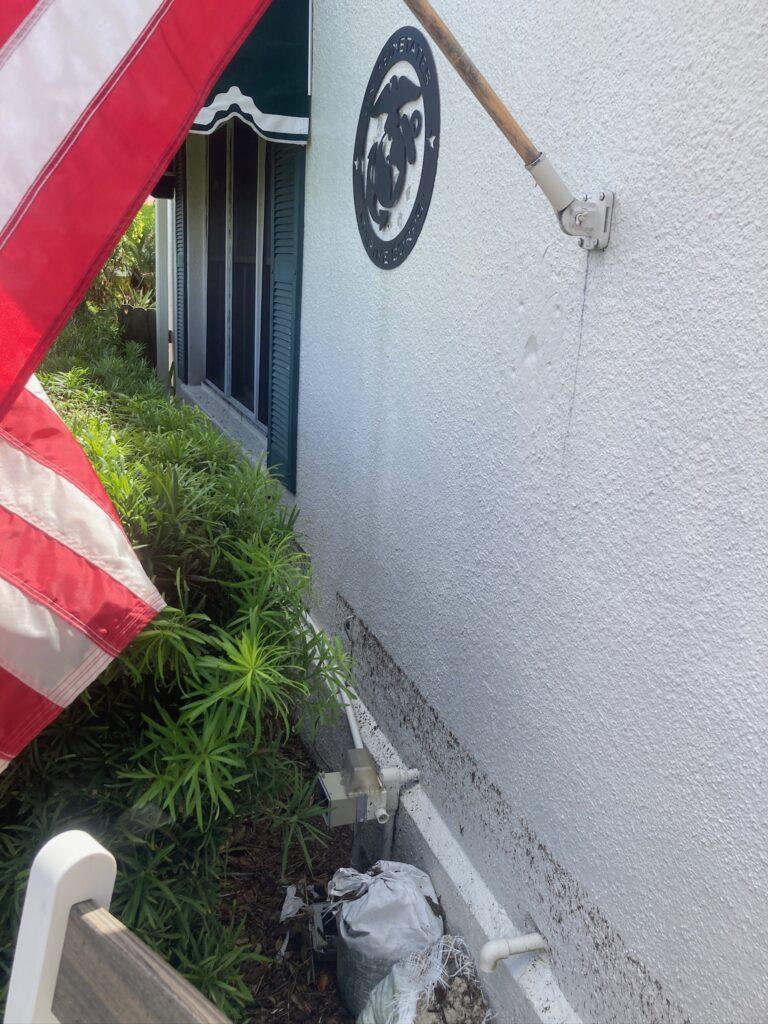
As we approach the first anniversary of Helene and Milton hitting Florida, the storm anxiety is resurfacing, so I am reviewing the lessons we learned.
Important Hurricane Preparedness Tips
Keep copies of important documents and insurance in a portable container and digital device. You can’t always rely on the digital versions, and the paper copies are not easy to come by. Confirm coverage BEFORE the storm hits. Make sure you have all the important papers– birth certificates, social security numbers, passports, etc – these are difficult to replace.
Get cash to have on hand. While we were evacuated and didn’t have to deal with the power outages at ATMs, it can happen. It is good to have cash on hand to buy things in case it is needed.
Take a video of your belongings. If a flooding event occurs, this is will help to know what items were there. Take a video room by room. Water moves things around, and can make things disintegrate, so knowing where everything is/was is important. Because we’ve moved so often with the military, we already had a detailed household inventory, but it wasn’t room by room. If you don’t have a room-by-room inventory, start one—either written or digital.
Set up cameras in the home if you can – better yet, field cameras that can operate on battery because power may be cut. Battery-powered cameras provide real-time awareness, provide documentation for insurance, and provide post-event safety checks. We lived on base at the time of the flooding, so the base housing team went into the home first to verify safety before we returned. But either way, cameras are useful.
Get gas early. If you are even thinking a storm is coming, fill up your vehicle now. If you have a generator and are looking to stay, get gas early. The lines will start as people prepare to evacuate or stay, and that adds to your precious time.
Have an evacuation plan– this is something we had done ahead of time. We found a hotel in an area that shouldn’t be affected by the storm, with a kitchen and laundry, so we could take food with us to minimize food loss and cost. We knew the path and the drive time. Researching this ahead of time helps when making reservations.
Make reservations ASAP. If you have to evacuate, make reservations the minute you know. In larger storms, hotels will fill up.
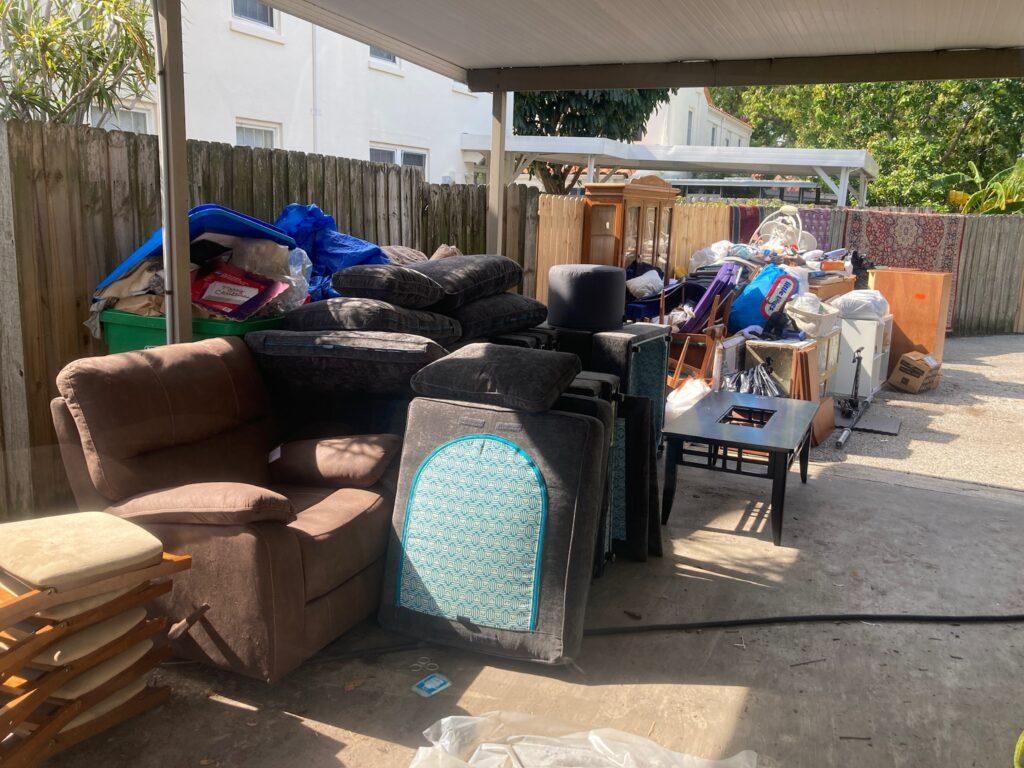
If you have to make a claim and you have a large loss, ask for a large loss adjuster. When we first called in the claim, we were assigned someone who called multiple times a day for updates. It was an unnecessary stress as we were going to through our items, enlisting help to move things and throw things away and pack up as another storm approached. Once we were sent to a large loss adjuster, she called once a week to check in but never more than that and always answered any questions we had promptly. Because she was large loss, she was more aware and educated on what actually happens after a hurricane loss and didn’t add to the stress or the whole event.
Ask for help. This one was hard for me. But as we had significant flooding, we needed more manpower to help us get things out of the home, sorted for trash and photographing. I needed help with keeping the little ones occupied. I needed help with meals, because the stress and barrage of necessary work made it hard to think about food. Accept the help.
Don’t let fear-mongers take over. Find factual meteorologists for your area to provide factual information, not worst-case scenarios. This will feed the storm anxiety. This counts for the next hurricane season.
Make a medical appointment if it is overwhelming. The reality is that a storm is a traumatic event, and it can affect you physically and mentally. After getting past the packing up, tossing out, and then evacuating for another storm, I felt mentally exhausted. I reached out to my primary care provider to review resources. If I were not breastfeeding, she said she would have provided sleep aides because sleep would have been restorative, but reality was I needed to be at the ready for the baby. There are free counselors through Military One Source for active-duty families to talk through things. Some medications can be used in the short term if conditions allow. If out of the military, FEMA and the American Red Cross often have free or community resources available as well.
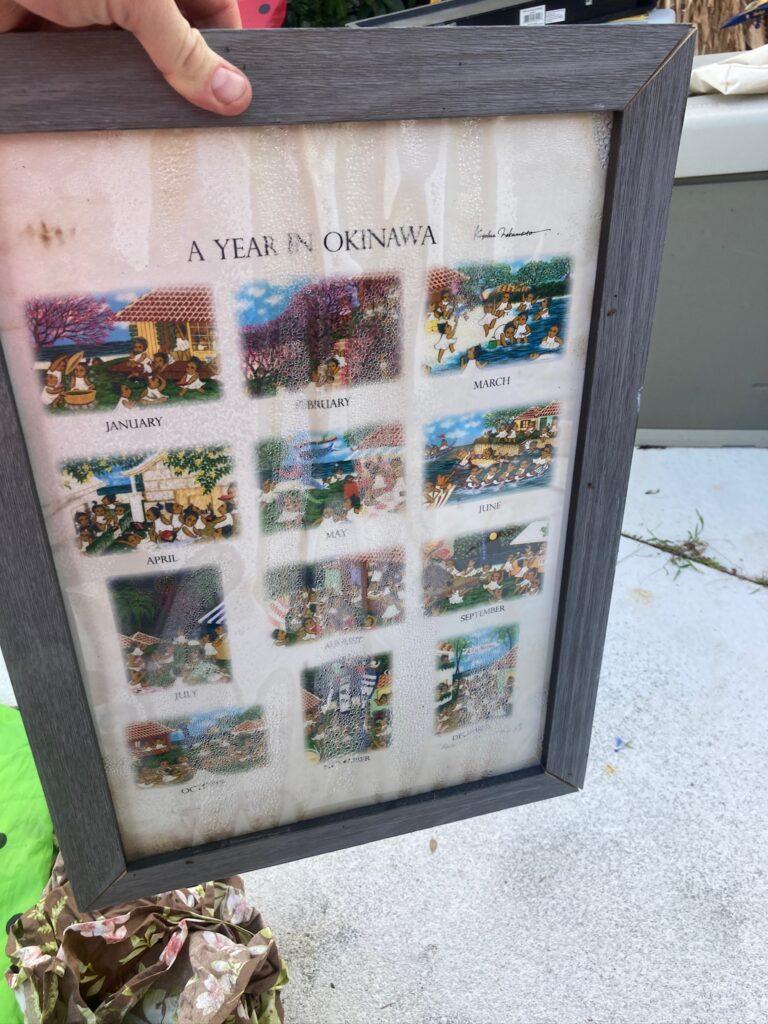
After the Storm
Like military life, storms are unpredictable. The wake they leave is unpredictable. But like military life, going through a storm leaves us more knowledgeable. While I do not wish our experience on anyone else, I want my lessons learned to be heard in case anyone else needs them. These logistical steps matter, but in the middle of the chaos, I realized something deeper than just hurricane preparedness.
At the end of it all, I learned storms will always take something from you—but what matters is making sure they don’t take everything. Yes, they ruined keepsakes and scattered our belongings.
But they didn’t take our family, our safety, or our memories.
That perspective shapes how I prepare now. I stock supplies, make evacuation plans, and keep my documents safe—but I also remind myself daily: the most valuable things we have are not in boxes or bins. They are the people we walk out the door with.
I would never wish our experience on anyone, but if these lessons help another family prepare, then maybe some good can come from the loss.