


Parenting is both a profound joy and a significant responsibility. Beyond nurturing and caring for a child, ensuring their safety is one of the most important tasks every parent faces. While many safety practices may seem like common sense, some of the most vital precautions are often overlooked or misunderstood.
September is Baby Safety Month, a time dedicated to raising awareness about key areas of child safety—from sleep to car seats, safe eating, water safety, animal interactions, and even firearm safety. Below, we’ll explore these critical topics, along with trusted resources to help keep your baby safe and thriving.
Safe Sleep
Designing a nursery or choosing the perfect crib is an exciting milestone for any growing family. While this special moment is filled with joy and anticipation, it’s essential to keep safety at the forefront—especially when it comes to creating a secure sleep environment for your little one. Creating a safe sleep environment is crucial in reducing the risk of Sudden Infant Death Syndrome (SIDS) and other sleep-related hazards.
Key guidelines:
- Always place your baby on their back for naps and bedtime.
- Use a firm, flat mattress with a fitted sheet and avoid loose bedding, pillows, bumpers, or stuffed animals in the crib.
- Consider room-sharing (not bed-sharing) for at least the first 6 months.
Maintain a smoke-free environment and avoid overheating during sleep.
Resource: American Academy of Pediatrics – Safe Sleep Recommendations
 Safe Eating & Choking Prevention
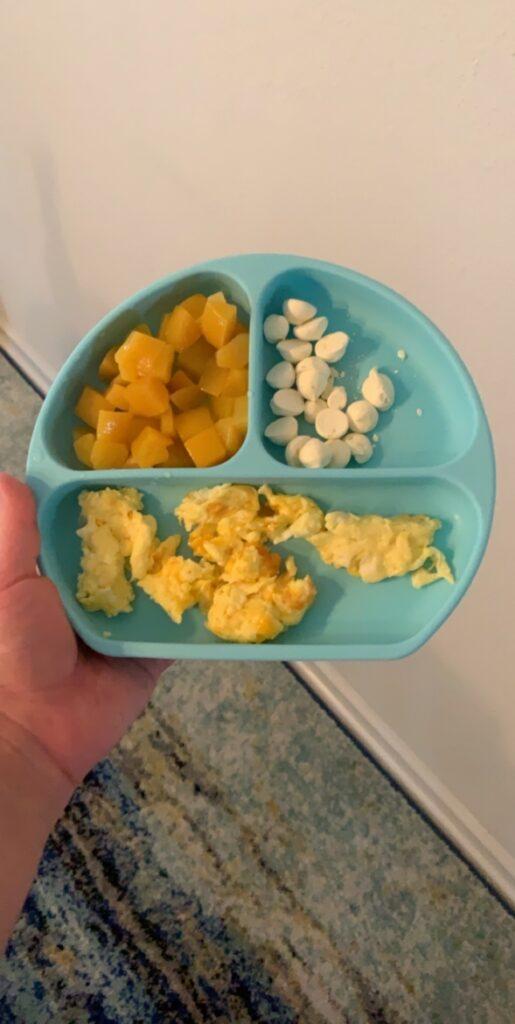
Watching your child explore new foods is one of the most exciting milestones of parenthood. From their first taste of a lemon to the sweetness of ice cream or the crunch of fresh vegetables, every new flavor is an adventure. It’s important to follow your baby’s cues for readiness and consult with your pediatrician to ensure a safe and positive introduction to solid foods.
Safety practices include:
- Introduce solids around 6 months, or as recommended by your pediatrician.
- Cut food into small, soft, manageable pieces and avoid hard, sticky, or round foods (e.g., whole grapes, popcorn, nuts).
- Always supervise mealtime and encourage babies to sit while eating.
- Keep small household objects (coins, batteries, small toys) out of reach.
Resource: https://www.cdc.gov/food-safety/foods/children-under-5.html
Car Seat Safety
With so many car seat options—and just as many opinions—choosing the right one can feel overwhelming. Whether you opt for a high-end model or a more budget-friendly choice, what truly matters is finding a seat that meets safety standards and fits your child’s needs. Since car crashes remain a leading cause of injury for children, having the proper car seat is absolutely non-negotiable.
Car seat tips:
- Choose a car seat that matches your child’s age, weight, and height.
- Keep children rear-facing for as long as possible, at least until age 2 (or until they outgrow the manufacturer’s height/weight limits).
- Ensure correct installation—up to 90% of car seats are installed incorrectly without expert guidance.
- Register your car seat to receive recall notifications.
Resource: NHTSA – Car Seat Safety Guidelines

Animal & Household Safety
For many of us, our fur babies were our first babies. We had our corgi long before bringing home our first son, and naturally, everyone was a bit nervous about how the dog would react to a new baby. It’s only normal to feel concerned—but it’s important to remember that every animal is unique. Consulting your veterinarian for guidance and resources can help ensure a smooth transition.
Household safety is equally important when preparing for a little one. Baby-proofing your home—securing furniture, adding safety gates, covering outlets, and more—may feel tedious at first, but once done, it quickly becomes a natural part of everyday life.
- Keep pets supervised around infants. Teach gentle handling and never leave baby and animal unsupervised.
- Baby-proof your home: secure heavy furniture, install safety gates, cover outlets, lock cabinets, and avoid cords near cribs and play areas (swhd.org).
- Remove hazards like blind cords, sharp corners, and unstable furniture.
- Resource: Consumer Product Safety Commission childproofing checklists.
Resource: Consumer Product Safety Commission- Baby Proofing Tips
Water Safety
Drowning is one of the leading causes of accidental death in children under the age of 4—and it can happen in as little as two inches of water. Children should never be near water without active adult supervision. It’s crucial not to assume another adult is watching unless you’ve had a clear discussion about supervision and safety responsibilities. Drowning is often silent and can occur in seconds, so staying vigilant and cautious is essential.
- Never leave a baby unattended near water—pools, tubs, buckets, or ponds. Drowning is a leading cause of death in kids aged 1–4
- Use age‑appropriate life‑jackets whenever near open water, even if supervised .
- Teach constant supervision and stay within arm’s reach.
Use barriers like pool fencing and secure gates. - Keep toilet lids closed and empty water containers immediately after use.
Resource: American Red Cross- Water Safety for Parents
Firearm Safety
Whether or not you choose to have firearms in your home is a perosnal decision, but ensuring safety is non-negotiable. Understanding proper gun safety practices is essential-whether you own a firearm or not- because knowledge is power My goal is to provide you with the information and resoources you need to make the best decision for your family. Above all, remember that safety is every parent’s top priority.
- If firearms are in your home, store them unloaded, locked, out of reach, with ammunition stored separately and locked too.
- Ideally, remove all firearms from environments where infants and toddlers are present.
- Consider trigger locks, lockboxes, or storing off-premises.
Resource: Safe Kids Worldwide firearm safety guidance; local firearm safety training programs.
Free Resources and Support
- Safe Kids Worldwide – Child Passenger Safety, Safe Sleep, water & home safety guidance.
- NHTSA & CDC websites – official safety standards and guidelines.
- Local programs – many cities offer free car seat checks and safety classes (Safe Kids Worldwide, Healthy Families America.)
- Pediatricians – consult on appropriate solid foods, injury prevention, and safety planning.
Final Thoughts
Every month should serve as a reminder to prioritize infant safety, but September’s Baby Safety Month is a special opportunity to reflect, refresh, and reinforce these efforts. It’s the perfect time to review your home’s safety setup, strengthen safe habits, and take advantage of community resources designed to keep little ones protected.
By staying vigilant, using the proper tools, and equipping ourselves with knowledge, we can create a safe and nurturing environment where babies can sleep, play, eat, and grow with confidence. As parents, we are our children’s first and most important line of protection—and every step we take toward safety makes a lasting difference.
Let’s commit this September—and beyond—to making every moment safer for our littlest loved ones.