


The Experiment
Have you ever wondered, “How would I feel if I could just commit 30 minutes every day to my physical wellness?”
Don’t worry, guys, you don’t have to do this to find out how you’d feel; I did it for you! Feel free to stay seated for this experiment!
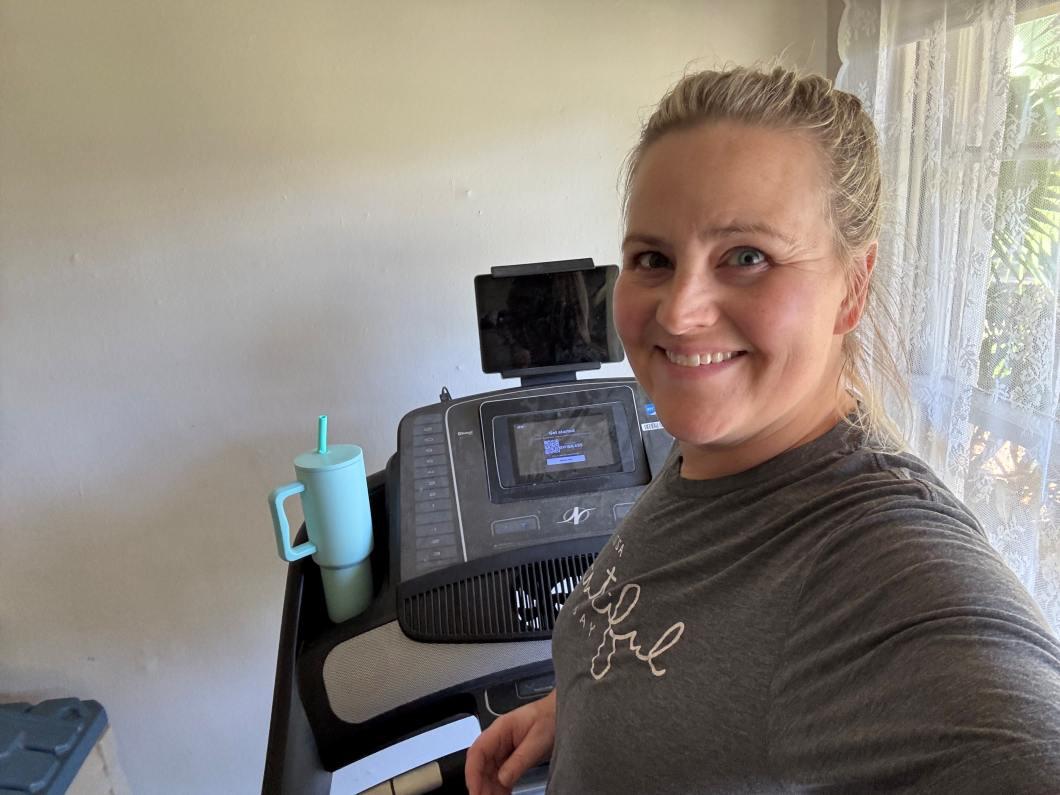
Earlier this year, I committed to walking for at least 30 minutes a day, every day, for one hundred days. I didn’t really set out to do it as a particular goal. Not at first. My health has taken a back seat to everything else in life for the last several years, and I was feeling desperate to do anything meaningful for myself. Did you know that walking is one of the most underrated yet beneficial exercises? The list of benefits is wild! Anyway, back to my story.
One day, I popped on a Sesame Street for my 5-year-old twins and hopped on the treadmill in an effort to stop my mental spiral of anxiety. Did you know walking helps with anxiety? It’s one of those many underrated benefits I mentioned earlier! I felt so good after that walk that I challenged myself to make it a whole week of 30-minute walks, and that turned into a month, and then at the end of the month I was like, “Well, maybe 100 days would be a good goal…”
So here we are.
I was hoping to feel healthier, look healthier, and mentally, stealing 30 minutes just for myself felt like something I really needed to do. When you’re a mom with young kids at home, taking time for physical wellness sometimes doesn’t seem feasible. We are ALWAYS in demand, and I’ve found the suggestion “get up earlier” to be quite frankly tone deaf. If I have to get up earlier than my kids to get a workout in because their needs are too high during the day, do you really think I’m getting enough sleep at night that I can sacrifice 45 minutes to wake up early, stretch, and work out? It’s going to be a no for me.
What I Learned After 100 Days of Walking
At the end of the 100 days, I had learned several things, some of them surprising. Without further ado, here is my recap of 100 days of walking:
- Everyone eventually adjusted to the idea that for 30 minutes, they needed to hold off on asking me anything (unless it was an emergency, of course). Sometimes I did my workouts when my spouse was home, and the kids could go to him. But other days they just had to wait. A truly confusing concept to many children, my own included. But I think this was actually a more important outcome of my 100-day commitment than the walking benefits in a lot of ways.
- It didn’t get easier. By that, I mean I, of course, became physically more capable of the exercise. And by the second month, I was walking at a higher pace and on an incline. But, mentally, every day I had to get over the hurdle of actually starting my walk. Things that helped me were: finding a TV show to watch on the treadmill and ONLY while on the treadmill, planning ahead so that I could avoid late night walks after the kids were in bed when I was most tempted by my couch, and seizing any opportunity that my spouse said “Hey, this is a great time to sneak out the door, go for it”. I used to have a walking buddy who lived next door, and we’d sneak out after the kids were in bed to go power walk the neighborhood. And that was truly the most motivating factor. I highly recommend this arrangement if you can find a buddy you love chatting with.
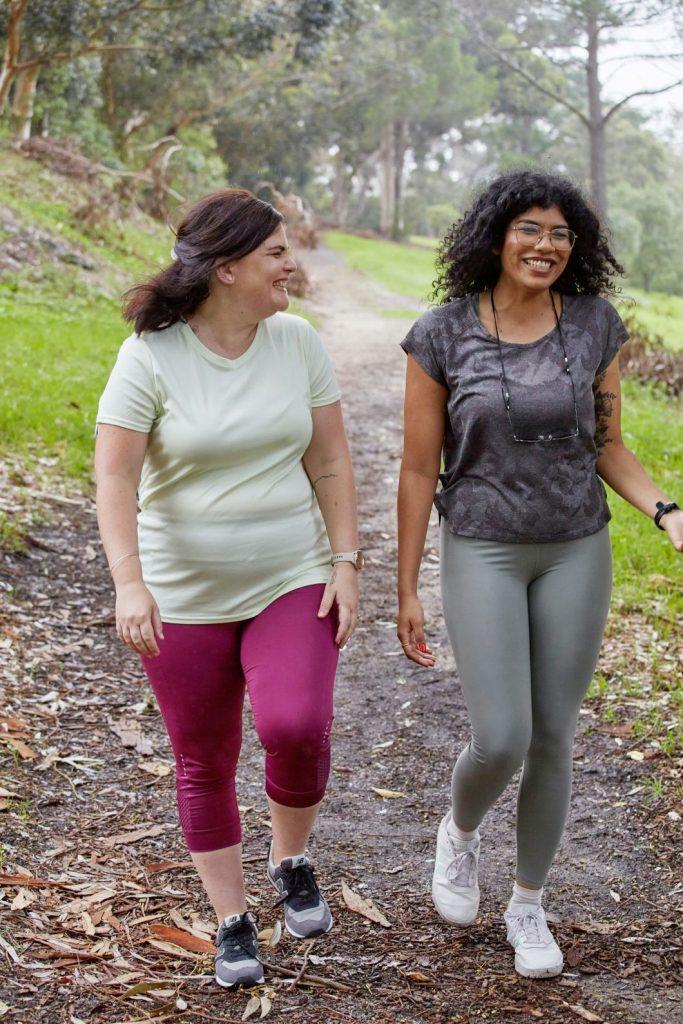
Stock photo by Sweet Life on Unsplash - I lost zero pounds. I know a lot of people feel inclined to eat better when they are exercising, even for small windows. But for me, that would be a no. In fact, I learned that I was more likely to be like, “I earned this donut” than I would be otherwise. And yes, I’m sure that’s some form of disordered generational traumatic eating happening. But it is what it is. I’m here to be honest with you, not idealistic.
- I learned I am very, very motivated by putting a gold star in my planner on each day I walk and by keeping a streak going. My twins often asked if they could put in my star for me, and every now and then I said yes. But usually it was a mark of accomplishment that I wanted to put on by myself.
- Rest is so important. Sometime around day 60, I was so motivated by my streak that I ignored the growing, nagging pain in my right hip. If I had done a better job listening to my body, I would have ended my streak early and taken a couple of days of rest. But long-term, probably would have been able to stay active longer. Instead, by the time I completed my streak, I was in a lot of pain most of the day and needed a visit to my doctor and a physical therapist. It led to a lot of inactive time, which was really counterproductive to all of the good habits I’d put into place.
- Focusing on a time goal instead of a particular activity would have served me better. If you’re also looking to add some physical activity to your lifestyle, here are some great questions MilMC Contributor Taylor Hester suggests asking yourself as you get started. One of the questions is “Is my expectation about exercise so rigid that I am not utilizing other options to move my body in a way that makes me happy?” I’m starting another streak goal in a couple of weeks, and one of the things I will be doing differently is making a list of several different physical activities I can do instead of just focusing on one, so that when I have a problem, like overusing a muscle, I have other options.
Ultimately, I discovered that shooting for a streak was a really successful motivation for me to exercise. I’ll be joining a “streaking” group that runs from Thanksgiving to New Year’s, and hope to bring that energy into 2026.